Rocket Car Flight Pacing: Side Nozzles vs Rear Boost (Playtest Notes)
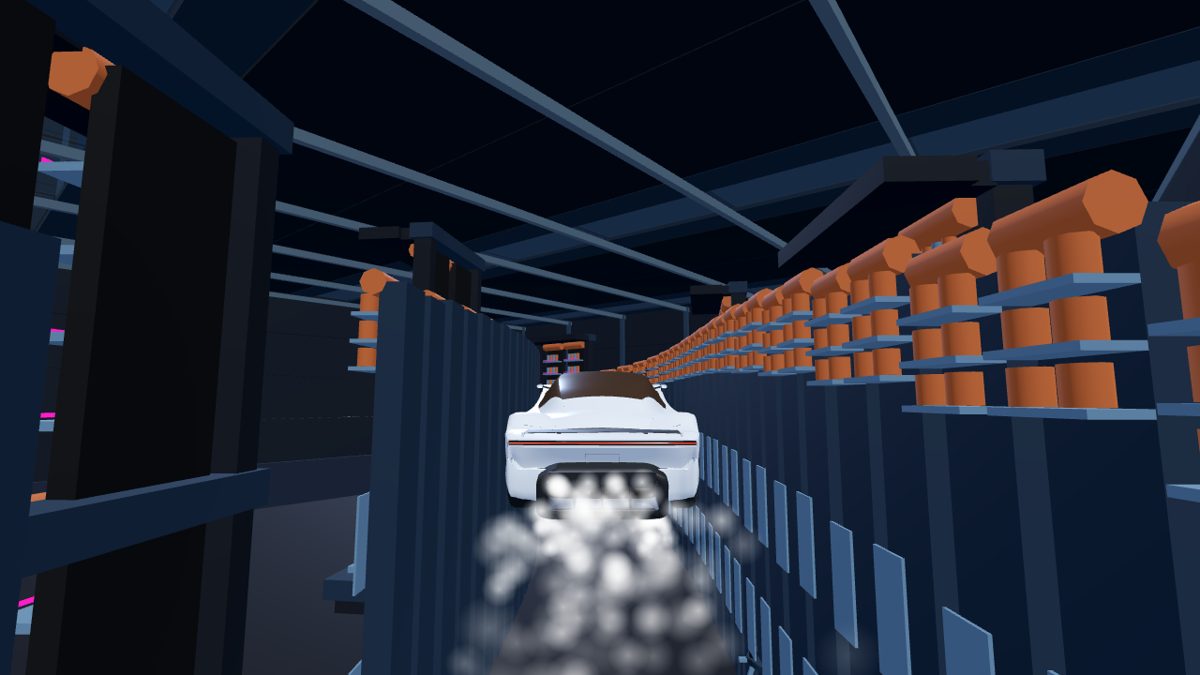
How fast should a rocket car feel, and for how long? These are playtest notes from CGT Rocket X Racer, a fan-made desktop browser runner, on flight pacing and on side nozzles versus a single rear boost. Written for indie developers tuning their own movement feel.
The numbers we ship today
- Base cruise cap: 52 m/s
- Boost: ×1.45 speed multiplier, lasting 1.8 s
- Boost cooldown: 3.0 s
- Peak after boost: roughly 75 m/s
A short boost with a longer cooldown keeps boost a decision rather than a default. Players feel the jump from 52 to about 75 m/s, then get a breather to read the next set of obstacles.
Side nozzles vs rear boost
A rear boost is simple: it adds forward speed and nothing else. Lateral thrusters (side nozzles) are about position: they let you dodge without changing pace. In playtests the open question was whether sideways thrust makes the run feel more skillful or just busier. Rear boost spikes the pace; side nozzles shape the line you take.
What playtesters told us
We asked other developers directly. The discussion is on the Godot forum: rocket car flight pacing feedback. A longer write-up on lateral thrusters is on Hashnode: Side nozzles vs rear boost. Feedback there is welcome, especially on boost length and cooldown.
Takeaways for your own runner
Keep a clear cruise cap, make boost short and readable, and give the cooldown enough room for players to recover. Test on the target platform: for us, that means desktop browsers with keyboard controls.